


Factors That Impact Blood Sugar

Blood sugar, also known as glucose, is impacted by various factors. Gaining a better understanding of these levels can empower you to make informed choices for maintaining a healthy range. Here’s a closer look at the key factors and how they affect your blood sugar.
Diet
What you eat plays a significant role in your blood sugar levels.

Type of food: Foods high in simple carbohydrates (like sugary drinks and refined grains) can cause quick spikes in blood sugar. Foods high in fiber, protein, and healthy fats help slow digestion, leading to steadier blood sugar levels.
Quantity of food: Eating large portions of carbohydrate-rich foods can overwhelm the body's ability to manage glucose levels. Balance is key.
Food combinations: Pairing carbs with protein, fats, or fiber slows the absorption of glucose into your bloodstream. For example, add nuts to fruit or avocado to whole-grain toast for a more balanced effect.
Tip: Plan meals with a mix of carbs, protein, and healthy fats to keep your blood sugar stable.
Timing
When and how often you eat affects blood sugar stability.
Irregular eating patterns: Skipping meals or going long periods without eating can lead to low blood sugar (hypoglycemia) and make your body more sensitive to spikes when you eat again.
Frequent small meals: Eating smaller, balanced meals or snacks every 3-4 hours can help maintain steady blood sugar levels.
Nighttime eating: Eating large meals or snacks late at night can result in higher morning blood sugar levels.
Tip: Stick to a regular eating schedule and avoid long gaps between meals.

Physical Activity
Exercise is one of the most effective ways to regulate blood sugar.
How it works: During physical activity, your muscles use glucose for energy, which helps lower blood sugar levels.
Consistency matters: Regular exercise, such as walking, swimming, or strength training, can improve your body’s ability to manage blood sugar over time. Timing of activity: Exercising after meals can help prevent blood sugar spikes.
Tip: Aim for at least 30 minutes of moderate physical activity most days of the week.

Stress and Sleep
Both stress and poor sleep can negatively impact blood sugar.
Stress: Hormones like cortisol released during stress can raise blood sugar levels by signaling the liver to release more glucose. Chronic stress can make blood sugar harder to control.
Sleep: Poor-quality sleep or not getting enough sleep can disrupt hormones that regulate hunger and blood sugar, leading to higher levels and cravings for sugary foods.
Tip: Practice stress-reducing activities like yoga, deep breathing, or meditation. Aim for 7-9 hours of quality sleep each night.
Takeaway
Blood sugar is influenced by many factors, but small, consistent habits can make a big difference. Focus on a balanced diet, regular meals, physical activity, and managing stress and sleep to keep your blood sugar levels in check.
For more information, click below:
eBook: The ultimate guide to type 2 diabetes
eBook: The ultimate guide to gestational diabetes
Online Program: Nutrition and lifestyle change for prediabetes
1
Searing the Beef
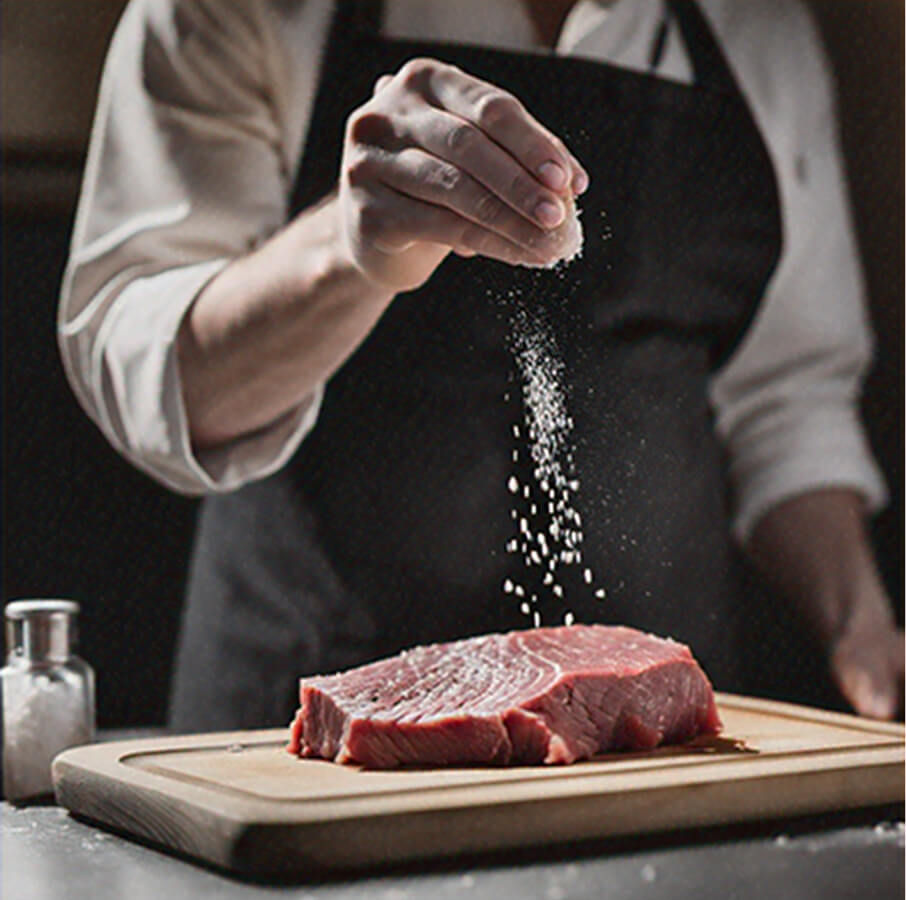
Sear beef fillets on high heat for 2 minutes per side to form a golden crust. Let it cool before proceeding to keep the beef tender.
1
Searing the Beef
Sear beef fillets on high heat for 2 minutes per side to form a golden crust. Let it cool before proceeding to keep the beef tender.
1
Searing the Beef
Sear beef fillets on high heat for 2 minutes per side to form a golden crust. Let it cool before proceeding to keep the beef tender.
1
Searing the Beef
Sear beef fillets on high heat for 2 minutes per side to form a golden crust. Let it cool before proceeding to keep the beef tender.
Notes


1
Season the good fresh beef fillets with salt and black pepper. Heat olive oil in a pan over high heat and sear the fillets for 2 minutes per side until it fully browned. Remove the beef from the pan and brush with a thin layer of mustard. Let it cool.
1
Season the good fresh beef fillets with salt and black pepper. Heat olive oil in a pan over high heat and sear the fillets for 2 minutes per side until it fully browned. Remove the beef from the pan and brush with a thin layer of mustard. Let it cool.
1
Season the good fresh beef fillets with salt and black pepper. Heat olive oil in a pan over high heat and sear the fillets for 2 minutes per side until it fully browned. Remove the beef from the pan and brush with a thin layer of mustard. Let it cool.
1
Season the good fresh beef fillets with salt and black pepper. Heat olive oil in a pan over high heat and sear the fillets for 2 minutes per side until it fully browned. Remove the beef from the pan and brush with a thin layer of mustard. Let it cool.
Instructions
Quality Fresh 2 beef fillets ( approximately 14 ounces each )
Quality Fresh 2 beef fillets ( approximately 14 ounces each )
Quality Fresh 2 beef fillets ( approximately 14 ounces each )
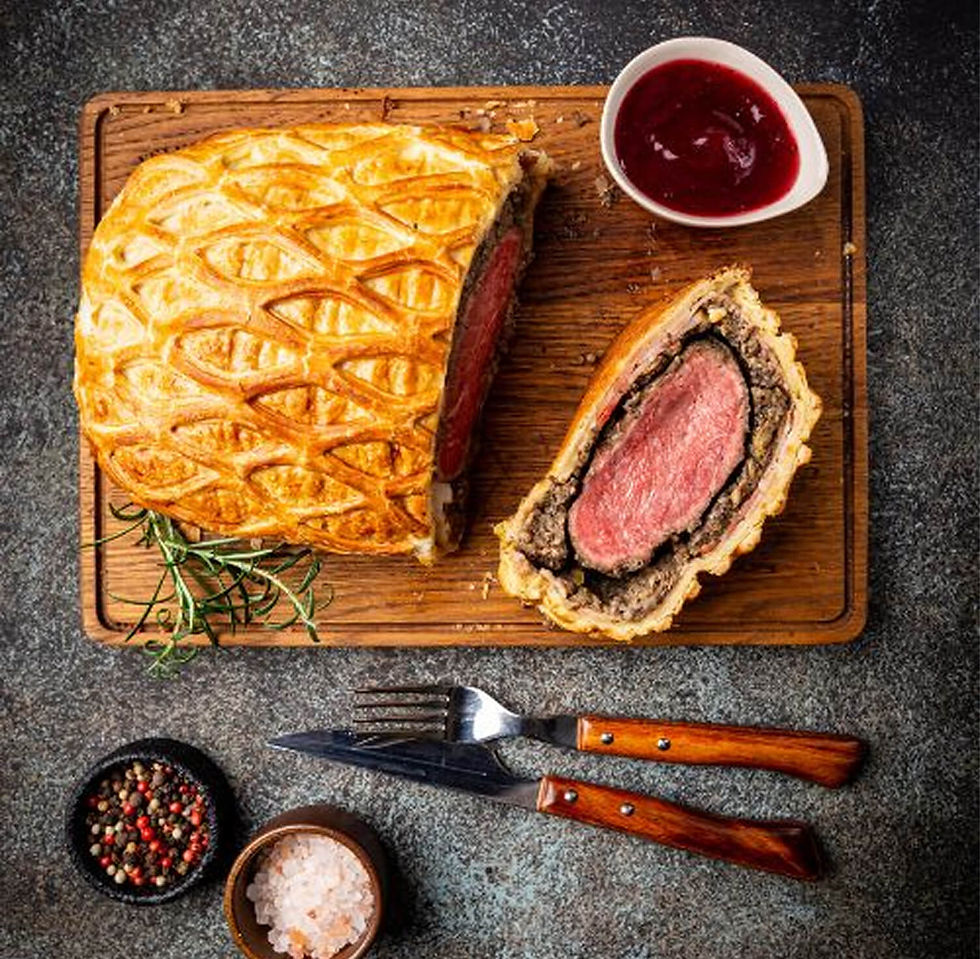
Beef Wellington
Beef Wellington
Fusion Wizard - Rooftop Eatery in Tokyo
Author Name
%20(1).jpg)
Beef Wellington is a luxurious dish featuring tender beef fillet coated with a flavorful mushroom duxelles and wrapped in a golden, flaky puff pastry. Perfect for special occasions, this recipe combines rich flavors and impressive presentation, making it the ultimate centerpiece for any celebration.
Servings :
4 Servings
Calories:
813 calories / Serve
Prep Time
30 mins
Prep Time
30 mins
Prep Time
30 mins
Prep Time
30 mins

Comments