


What is Diabetes?

Diabetes is defined as a disease that occurs when your blood sugar is too high. When left untreated, it can lead to complications like heart disease, nerve damage, eye problems and kidney disease.
The pancreas produces insulin, which is necessary for allowing sugar into cells. Without it, blood sugar levels are higher than they should be.
Type 1 Diabetes - your body does not make
insulin
30.3 million
number of people in the United States who are estimated to have diabetes
Type 2 Diabetes - your body does not make enough insulin or resists its effects in lowering blood sugar
Symptoms
increased hunger & thirst
fatigue
blurred vision
numbness or tingling in hands and feet
unexplained weight loss
Nutrition Therapy
choose a variety of fruits, vegetables, whole grains, heart-healthy fats and lean proteins
limit fried foods, foods high in sodium, desserts and sugar-sweetened beverages
work with a registered dietitian for a nutrition plan personalized just for you!
1 in 4
number of people who don't know they have diabetes
Diabetes and Insulin Sugar & Carbohydrates
Sugar and carbohydrates that we eat get converted into glucose during digestion
Glucose
Glucose enters the bloodstream and signals the pancreas to release insulin
Insulin
Insulin is secreted by the pancreas and is released into bloodstream. It acts as a key that unlocks the cells' ability to use the glucose for energy.
Type 1 Diabetes | Type 2 Diabetes |
No insulin is produced by the pancreas and blood sugar levels rise as the glucose is unable to enter cells without insulin | Not enough insulin is being produced to maintain normal blood sugar levels or the body resists the effects of insulin |
Type 1 Diabetes
Type 1 diabetes is an autoimmune disease in which the insulin-producing cells of the pancreas are attacked by the body's own immune system. It is a chronic condition in which the pancreatic cells can no longer produce insulin. Insulin is a hormone that helps the body to regulate blood sugar levels. Without insulin, blood sugar levels can rise to dangerously high levels. Type 1 diabetes is usually diagnosed in children and young adults, although it can develop at any age.

There is no one cause of type 1 diabetes, but it is believed to be caused by a combination of genetic and environmental factors. Type 1 diabetes cannot be cured, but it can be managed with insulin therapy and other treatments. With proper management, people with type 1 diabetes can live long, healthy lives.
Symptoms
The symptoms of type 1 diabetes can develop quickly, over a period of weeks or even days. The most common symptoms include:
Increased thirst and urination
Extreme hunger
Weight loss
Fatigue
Blurry vision
Yeast infections
If you notice any of these symptoms in yourself or your child, it's important to see a doctor right away. If left untreated, type 1 diabetes can lead to serious complications such as ketoacidosis (a build-up of acids in the blood) or diabetic coma (a state of unconsciousness).
Diagnosing Type 1 Diabetes
If you or your child has symptoms of type 1 diabetes, your doctor will order a blood test
called a hemoglobin A1c test. This test measures your average blood sugar level over the past
three months. A diagnosis of type 1 diabetes is made if the A1c test is 6.5% or higher. Your doctor
may also order additional tests such as a fasting blood sugar test or an oral glucose tolerance test
to confirm the diagnosis.
Type 1 Diabetes

Carbohydrates and Type 1 Diabetes
People with type 1 diabetes must carefully monitor their carbohydrate intake to keep their blood sugar levels under control. Carbohydrates are found in foods such as bread, pasta, rice, fruits, and vegetables. Foods that are high in carbohydrates can cause blood sugar levels to spike, especially when consumed alone without protein or fat. People with type 1 diabetes need to count the grams of carbohydrates in each food they eat and then adjust their insulin dose accordingly.
Dosing is determined by your healthcare team and may change over time, so it's important to visit your practitioner often.
Nutrition and Type 1 Diabetes
There are many factors that can affect blood sugar levels in people with type 1 diabetes. One of the most important factors is diet. What you eat can have a significant impact on your blood sugar levels.
Some foods are more likely to cause a spike in blood sugar levels than others. Foods that are high in carbohydrates, such as bread, pasta, and sugary foods, are the most likely to cause problems. These foods can cause blood sugar levels to rise quickly and then drop just as quickly. This can lead to hypoglycemia [low blood sugar], fatigue, dizziness, and even unconsciousness.
There are many foods that can be included in a healthy diet for people with type 1 diabetes. Lean protein, fruits and vegetables, and whole grains are all good choices. It is important to consume balanced meals and snacks, those with a combination of carbohydrates, protein, and fat, to prevent blood sugar spikes. Examples of balanced snacks and meals include:

SNACKS:
Apple + nut butter + hemp seeds
Hummus + carrots + pretzels
Tortilla chips + guacamole + salsa
Whole-wheat toast + nut butter + raspberries
MEALS:
Turkey + avocado + whole-wheat bread
Chicken + broccoli with parmesan cheese + brown rice
Beef chili + kidney beans + spaghetti squash
Salmon + quinoa with herbs + green beans
Dehydration can also affect blood sugar levels so be sure to drink plenty of fluids and consume water-rich fruits and vegetables.
For more information, click below:
eBook: The ultimate guide to type 2 diabetes
eBook: The ultimate guide to gestational diabetes
Online Program: Nutrition and lifestyle change for prediabetes
1
Searing the Beef
Sear beef fillets on high heat for 2 minutes per side to form a golden crust. Let it cool before proceeding to keep the beef tender.
1
Searing the Beef
Sear beef fillets on high heat for 2 minutes per side to form a golden crust. Let it cool before proceeding to keep the beef tender.
1
Searing the Beef
Sear beef fillets on high heat for 2 minutes per side to form a golden crust. Let it cool before proceeding to keep the beef tender.
1
Searing the Beef
Sear beef fillets on high heat for 2 minutes per side to form a golden crust. Let it cool before proceeding to keep the beef tender.
Notes


1
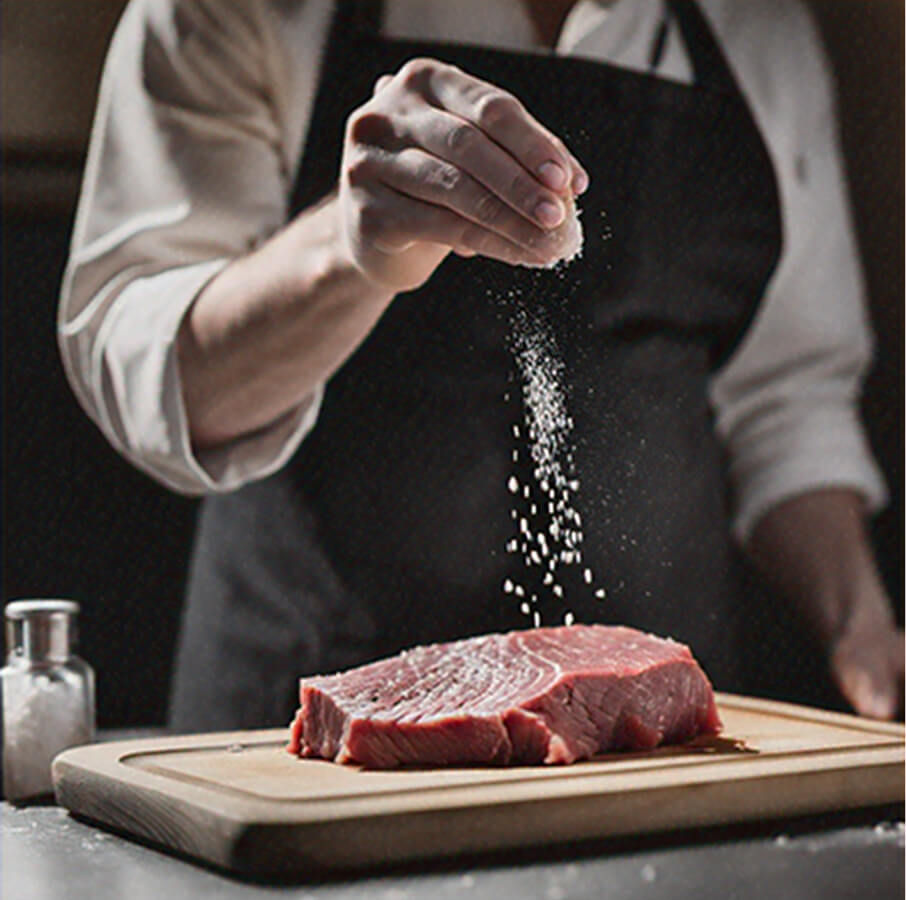
Season the good fresh beef fillets with salt and black pepper. Heat olive oil in a pan over high heat and sear the fillets for 2 minutes per side until it fully browned. Remove the beef from the pan and brush with a thin layer of mustard. Let it cool.
1
Season the good fresh beef fillets with salt and black pepper. Heat olive oil in a pan over high heat and sear the fillets for 2 minutes per side until it fully browned. Remove the beef from the pan and brush with a thin layer of mustard. Let it cool.
1
Season the good fresh beef fillets with salt and black pepper. Heat olive oil in a pan over high heat and sear the fillets for 2 minutes per side until it fully browned. Remove the beef from the pan and brush with a thin layer of mustard. Let it cool.
1
Season the good fresh beef fillets with salt and black pepper. Heat olive oil in a pan over high heat and sear the fillets for 2 minutes per side until it fully browned. Remove the beef from the pan and brush with a thin layer of mustard. Let it cool.
Instructions
Quality Fresh 2 beef fillets ( approximately 14 ounces each )
Quality Fresh 2 beef fillets ( approximately 14 ounces each )
Quality Fresh 2 beef fillets ( approximately 14 ounces each )
Beef Wellington
Beef Wellington
Fusion Wizard - Rooftop Eatery in Tokyo
Author Name
%20(1).jpg)
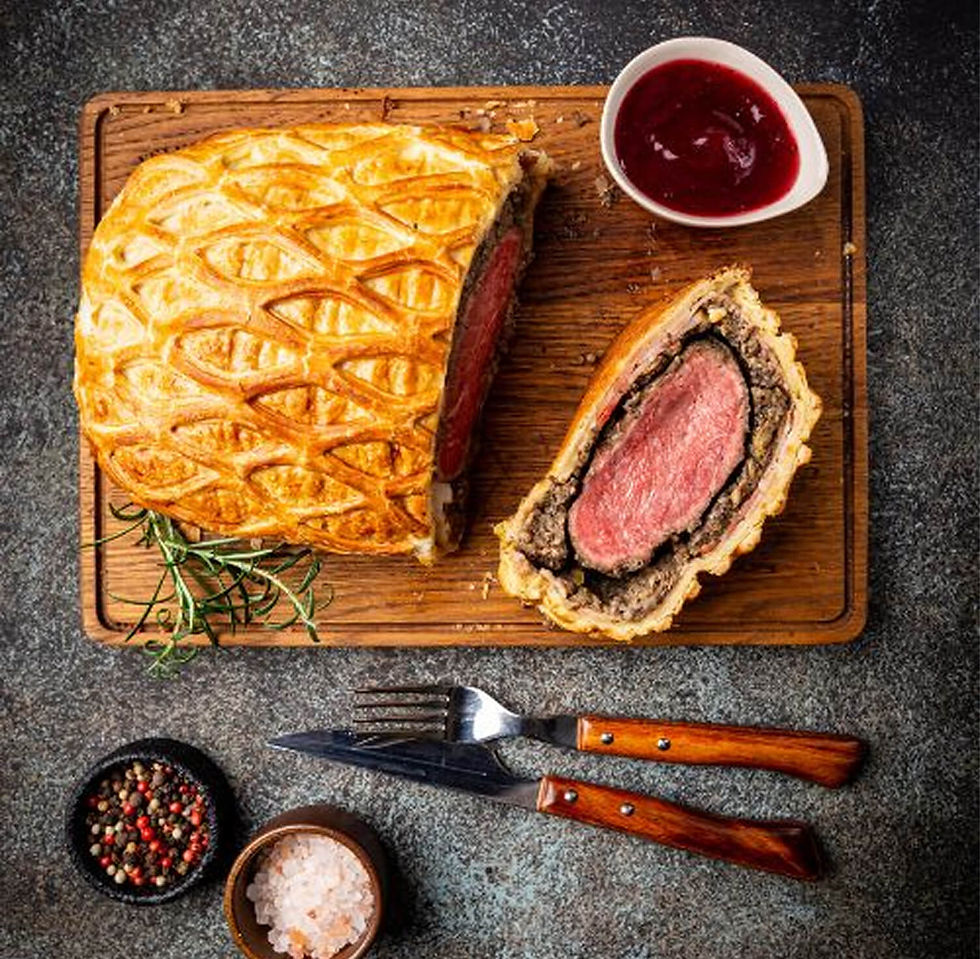
Beef Wellington is a luxurious dish featuring tender beef fillet coated with a flavorful mushroom duxelles and wrapped in a golden, flaky puff pastry. Perfect for special occasions, this recipe combines rich flavors and impressive presentation, making it the ultimate centerpiece for any celebration.
Servings :
4 Servings
Calories:
813 calories / Serve
Prep Time
30 mins
Prep Time
30 mins
Prep Time
30 mins
Prep Time
30 mins


Comments