


What is NAFLD [Non-Alcoholic Fatty Liver Disease]?

Non-Alcoholic Fatty Liver Disease (NAFLD) is a condition characterized by the accumulation of fat in the liver. It is called "non-alcoholic" because it occurs in individuals who do not consume excessive amounts of alcohol. NAFLD is becoming increasingly common and is often associated with conditions such as obesity, insulin resistance, and metabolic syndrome.
Causes of NAFLD
The exact cause of NAFLD is not fully understood, but several factors contribute to its development. These include:
Obesity: Excess body weight, especially abdominal obesity, is a significant risk factor for NAFLD. Obesity leads to an increase in fat storage in the liver.
Insulin Resistance: Insulin is a hormone that helps regulate blood sugar levels. Insulin resistance occurs when cells become less responsive to the effects of insulin, leading to increased insulin levels in the blood. Insulin resistance is commonly associated with obesity and is believed to play a role in the development of NAFLD.
Unhealthy Diet: Consuming a diet high in calories, unhealthy fats (saturated and trans fats), and added sugars can contribute to the development of NAFLD. These dietary choices promote weight gain and increase the risk of insulin resistance.
Health Implications
NAFLD encompasses a spectrum of conditions ranging from simple fatty liver
(steatosis) to more severe forms such as non-alcoholic steatohepatitis (NASH) and
cirrhosis. If left untreated, NAFLD can progress and lead to complications such as liver inflammation,
liver fibrosis (scarring), and eventually liver cirrhosis, which is a serious condition that impairs liver function.
Common Triggers
While specific foods don't directly cause NAFLD, certain dietary patterns and choices can contribute to its development and progression. It is important to focus on a balanced and healthy diet to manage NAFLD effectively.

Here are some general dietary recommendations:
Limit Added Sugars: Foods high in added sugars, such as sugary beverages, candies, pastries, and sweetened cereals, can contribute to weight gain and increase the risk of NAFLD. Choose whole fruits instead of fruit juices and opt for water or unsweetened beverages.
Choose Healthy Fats: Replace unhealthy fats (saturated and trans fats) with healthy fats, such as those found in avocados, nuts, seeds, and olive oil. These fats have been associated with a lower risk of NAFLD.
Increase Fiber Intake: Include plenty of high-fiber foods in your diet, such as whole grains, legumes, fruits, and vegetables. Fiber helps promote healthy digestion and may have a positive impact on NAFLD.
Limit Alcohol Consumption: Although NAFLD is not caused by alcohol, excessive alcohol intake can worsen liver damage in individuals with NAFLD. It is advisable to limit alcohol consumption or avoid it altogether if advised by a healthcare professional.
Living with NAFLD and Treatment
Healthy Diet:
A balanced and nutritious diet is essential for managing NAFLD. Emphasize consuming a variety of fruits, vegetables, whole grains, lean proteins, and healthy fats. Portion control and mindful eating can also be beneficial in managing weight and improving overall health.

Weight Loss and Physical Activity:
Losing excess weight is an important goal in treating NAFLD, particularly for individuals who are overweight or obese. Even a modest weight loss (5-10% of total body weight) has shown significant improvements in liver health. Engage in regular physical activity, such as aerobic exercises (brisk walking, jogging, swimming) and strength training, as it can help improve insulin sensitivity, aid in weight loss, and reduce liver fat accumulation.
Diabetes and Blood Sugar Control:
If you have diabetes or develop diabetes during the course of NAFLD, proper management of blood sugar levels is crucial. This may involve medication, insulin therapy, and regular blood sugar monitoring. Following a healthy diet, engaging in physical activity, and maintaining a healthy weight can help improve blood sugar control and overall liver health.
Monitoring Other Health Conditions:
NAFLD is often associated with other conditions such as obesity, high blood pressure, and dyslipidemia (abnormal lipid levels). Managing these conditions through lifestyle modifications, medication (if necessary), and regular medical check-ups is important for overall health and liver function.
Avoidance of Alcohol:
It is recommended to avoid alcohol or consume it in moderation, as excessive alcohol consumption can worsen liver damage and complicate the management of NAFLD.
Regular Medical Follow-up
It is crucial to maintain regular follow-up appointments with your healthcare provider to monitor the progress of NAFLD, assess liver function, and make any necessary adjustments to the treatment plan.
For more information, link to the online program:
Nutrition & Detoxification
1
Searing the Beef
Sear beef fillets on high heat for 2 minutes per side to form a golden crust. Let it cool before proceeding to keep the beef tender.
1
Searing the Beef
Sear beef fillets on high heat for 2 minutes per side to form a golden crust. Let it cool before proceeding to keep the beef tender.
1
Searing the Beef
Sear beef fillets on high heat for 2 minutes per side to form a golden crust. Let it cool before proceeding to keep the beef tender.
1
Searing the Beef
Sear beef fillets on high heat for 2 minutes per side to form a golden crust. Let it cool before proceeding to keep the beef tender.
Notes


1
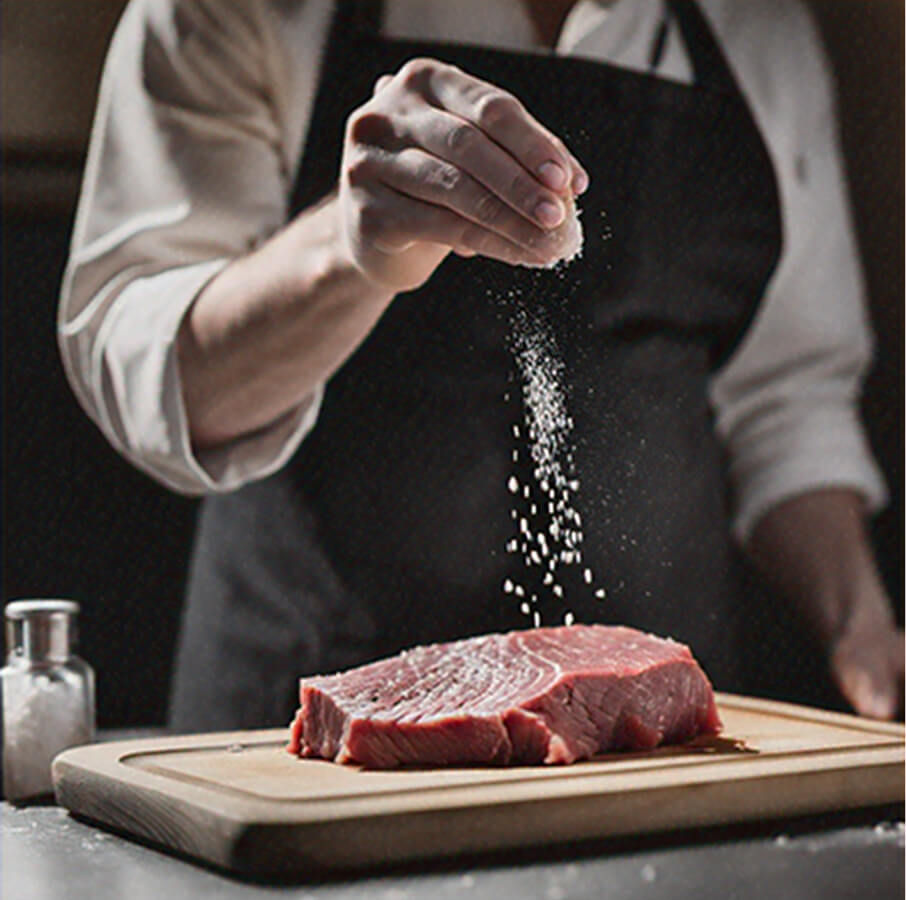
Season the good fresh beef fillets with salt and black pepper. Heat olive oil in a pan over high heat and sear the fillets for 2 minutes per side until it fully browned. Remove the beef from the pan and brush with a thin layer of mustard. Let it cool.
1
Season the good fresh beef fillets with salt and black pepper. Heat olive oil in a pan over high heat and sear the fillets for 2 minutes per side until it fully browned. Remove the beef from the pan and brush with a thin layer of mustard. Let it cool.
1
Season the good fresh beef fillets with salt and black pepper. Heat olive oil in a pan over high heat and sear the fillets for 2 minutes per side until it fully browned. Remove the beef from the pan and brush with a thin layer of mustard. Let it cool.
1
Season the good fresh beef fillets with salt and black pepper. Heat olive oil in a pan over high heat and sear the fillets for 2 minutes per side until it fully browned. Remove the beef from the pan and brush with a thin layer of mustard. Let it cool.
Instructions
Quality Fresh 2 beef fillets ( approximately 14 ounces each )
Quality Fresh 2 beef fillets ( approximately 14 ounces each )
Quality Fresh 2 beef fillets ( approximately 14 ounces each )
Beef Wellington
Beef Wellington
Fusion Wizard - Rooftop Eatery in Tokyo
Author Name
%20(1).jpg)
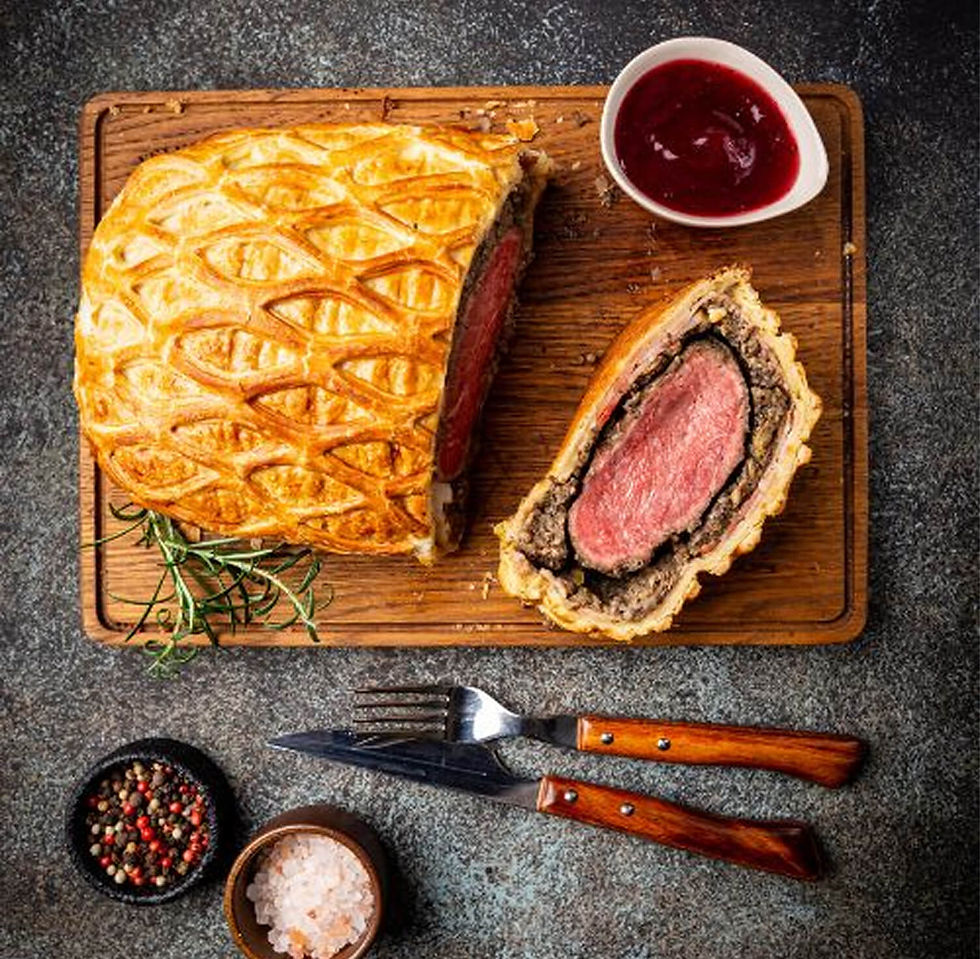
Beef Wellington is a luxurious dish featuring tender beef fillet coated with a flavorful mushroom duxelles and wrapped in a golden, flaky puff pastry. Perfect for special occasions, this recipe combines rich flavors and impressive presentation, making it the ultimate centerpiece for any celebration.
Servings :
4 Servings
Calories:
813 calories / Serve
Prep Time
30 mins
Prep Time
30 mins
Prep Time
30 mins
Prep Time
30 mins

Comments