


Caffeine

Caffeine is a natural stimulant found in a variety of foods and beverages, including coffee, tea, chocolate, and some soft drinks. Caffeine is a central nervous system stimulant that increases alertness and produces other effects such as increased heart rate and blood pressure. It is safe for most people when consumed in moderation but can cause side effects such as anxiety, jitters, and insomnia when consumed in large amounts.
Caffeine works by blocking adenosine, a neurotransmitter that makes you feel tired. When adenosine is blocked, dopamine and norepinephrine are released, which gives you a burst of energy. Caffeine also increases levels of adrenaline, which further enhances alertness and energy.
The effects of caffeine vary from person to person. For some people, even a small
amount of caffeine can cause jitters, anxiety, and insomnia. Others can drink coffee all
day long with no ill effects. Genetics plays a role in how your body responds to caffeine. If
you're sensitive to caffeine, you may want to limit your intake or avoid it altogether.
Caffeine Intake
It's important to remember that while caffeine can have potential health benefits, it can also have negative effects if consumed in excess. It's recommended to limit caffeine intake to no more than 400 mg per day for most adults. Pregnant women, children, and those with certain health conditions may need to limit their caffeine intake even further. Be sure to talk to your doctor or a registered dietitian if you have any questions or concerns about your caffeine intake.

Health Benefits
Improved cognitive function: Caffeine can increase alertness, focus, and mental clarity. Several studies have demonstrated the cognitive benefits of caffeine. For example, a review of existing research published in the journal Psychopharmacology found that caffeine can improve attention, reaction time, and working memory, particularly in situations where performance is compromised by fatigue or sleep deprivation (Einother & Giesbrecht, 2013). Another study published in the Journal of Alzheimer's Disease found that caffeine intake was associated with a reduced risk of developing cognitive impairment and dementia in older adults (Cao et al., 2020).
Increased metabolism: Caffeine can help to increase metabolism and aid in weight loss. As a natural stimulant, it can increase metabolism by stimulating the central nervous system and activating the release of adrenaline. This can increase the body's metabolic rate, which is the rate at which the body burns calories. When the metabolic rate is increased, the body burns more calories even when at rest, which can lead to weight loss over time. It's important to note that while caffeine can aid in weight loss, it's not a magic solution and should be consumed in moderation.
Enhanced exercise performance: Caffeine can improve endurance and reduce fatigue during exercise. It can help to improve endurance and reduce fatigue during exercise. This is because caffeine can stimulate the central nervous system and increase the release of adrenaline, which can lead to an increase in heart rate, blood flow, and oxygen uptake, all of which can improve exercise performance.
Reduced risk of certain diseases: Caffeine has been associated with a reduced risk of type 2 diabetes, liver disease, and some types of cancer. Several studies have suggested that caffeine intake may help to reduce the risk of developing type 2 diabetes. Caffeine intake may help to reduce the risk of liver disease, including liver cancer and cirrhosis Caffeine has also been associated with a reduced risk of some types of cancer, including liver, colorectal, and prostate cancer.
Food Sources
Coffee: The caffeine content in 8 ounces of coffee can vary depending on the type of coffee, brewing method, and other factors. On average, a cup of brewed coffee contains about 95 milligrams of caffeine per 8-ounce serving. However, this can range from 30 to 200 milligrams of caffeine.
Tea: Actual caffeine content can vary depending on factors such as the brand, processing, and brewing method used for the tea
Black tea (8 oz brewed): 25-48 mg of caffeine
Green tea (8 oz brewed): 25-29 mg of caffeine
White tea (8 oz brewed): 15-20 mg of caffeine
Oolong tea (8 oz brewed): 12-55 mg of caffeine
Herbal tea (8 oz brewed): 0 mg of caffeine

Chocolate: The amount of caffeine in chocolate varies depending on the type of chocolate and the amount consumed.
Dark chocolate (1 oz.): 12 mg of caffeine
Milk chocolate (1 oz): 1-15 mg of caffeine
Semi-sweet/dark chocolate (1 oz): 5-35 mg of caffeine
Baking chocolate (1 oz): 23 mg of caffeine
Soft drinks: Most colas contain around 35-45 mg of caffeine per 12-ounce can, while some energy drinks can contain up to 200 mg of caffeine per serving. Note that while these beverages contain caffeine they may also contain high amounts of sugar.
For more information, link to: eBook: Natural Electrolyte Drinks
1
Searing the Beef
Sear beef fillets on high heat for 2 minutes per side to form a golden crust. Let it cool before proceeding to keep the beef tender.
1
Searing the Beef
Sear beef fillets on high heat for 2 minutes per side to form a golden crust. Let it cool before proceeding to keep the beef tender.
1
Searing the Beef
Sear beef fillets on high heat for 2 minutes per side to form a golden crust. Let it cool before proceeding to keep the beef tender.
1
Searing the Beef
Sear beef fillets on high heat for 2 minutes per side to form a golden crust. Let it cool before proceeding to keep the beef tender.
Notes


1
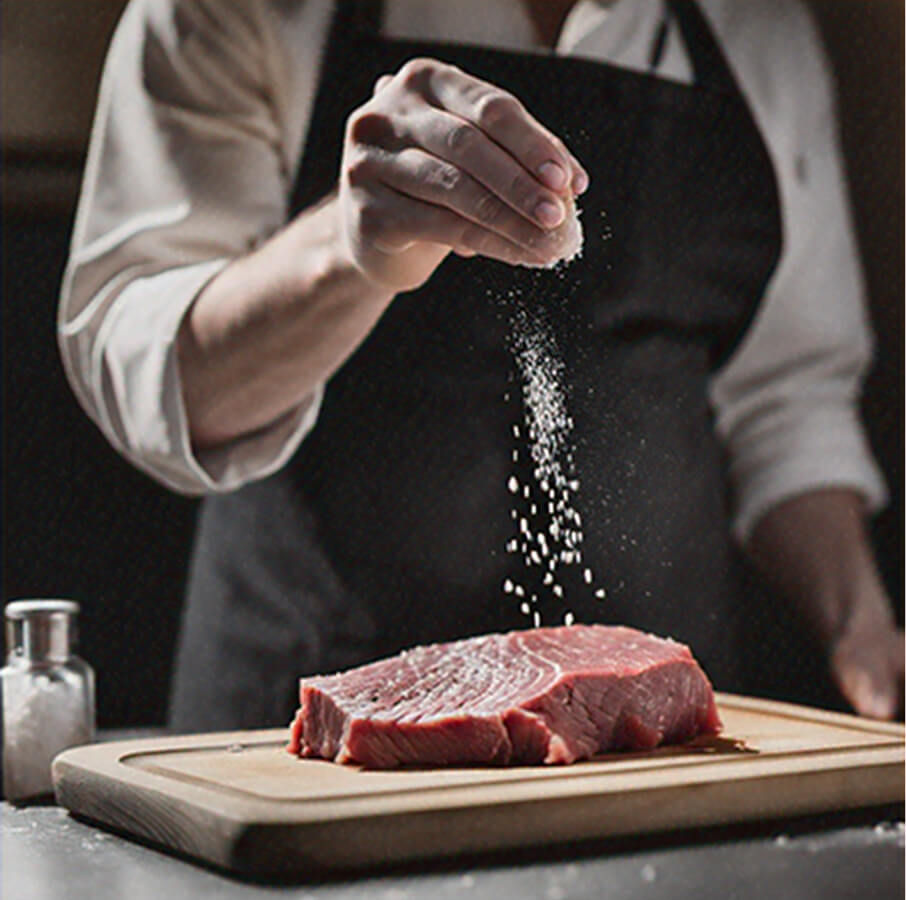
Season the good fresh beef fillets with salt and black pepper. Heat olive oil in a pan over high heat and sear the fillets for 2 minutes per side until it fully browned. Remove the beef from the pan and brush with a thin layer of mustard. Let it cool.
1
Season the good fresh beef fillets with salt and black pepper. Heat olive oil in a pan over high heat and sear the fillets for 2 minutes per side until it fully browned. Remove the beef from the pan and brush with a thin layer of mustard. Let it cool.
1
Season the good fresh beef fillets with salt and black pepper. Heat olive oil in a pan over high heat and sear the fillets for 2 minutes per side until it fully browned. Remove the beef from the pan and brush with a thin layer of mustard. Let it cool.
1
Season the good fresh beef fillets with salt and black pepper. Heat olive oil in a pan over high heat and sear the fillets for 2 minutes per side until it fully browned. Remove the beef from the pan and brush with a thin layer of mustard. Let it cool.
Instructions
Quality Fresh 2 beef fillets ( approximately 14 ounces each )
Quality Fresh 2 beef fillets ( approximately 14 ounces each )
Quality Fresh 2 beef fillets ( approximately 14 ounces each )
Beef Wellington
Beef Wellington
Fusion Wizard - Rooftop Eatery in Tokyo
Author Name
%20(1).jpg)
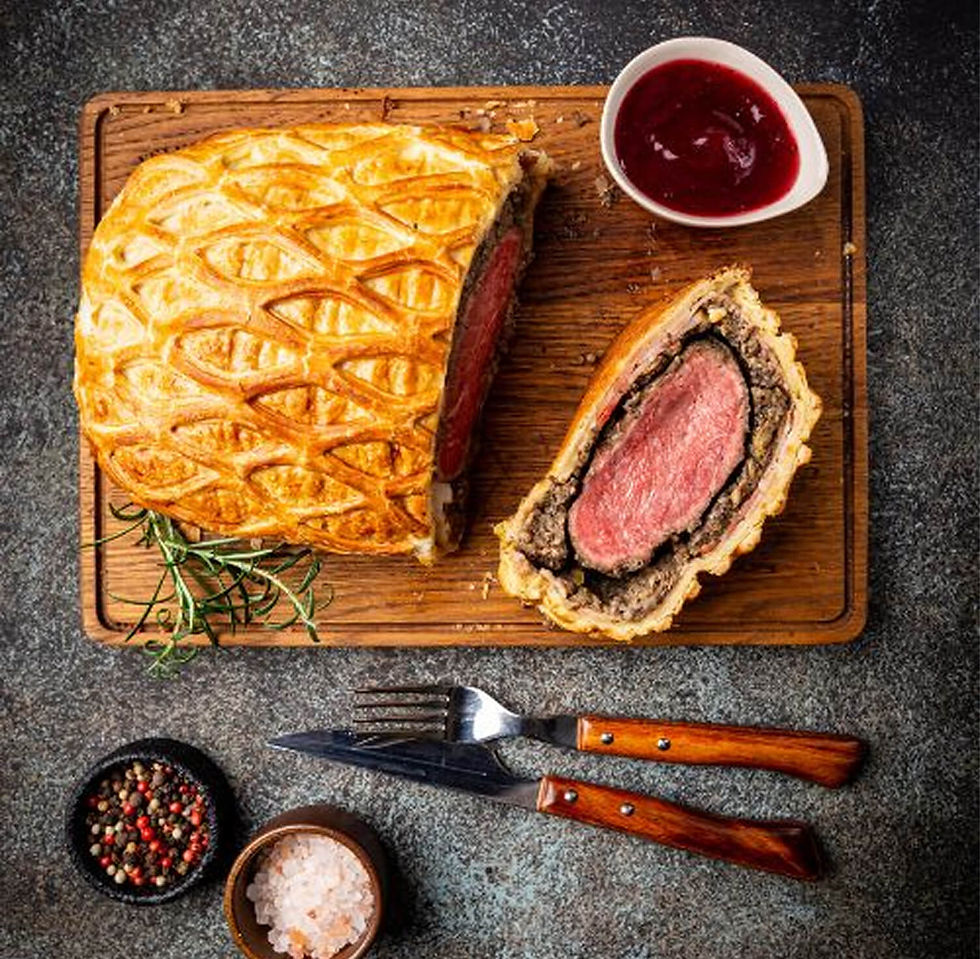
Beef Wellington is a luxurious dish featuring tender beef fillet coated with a flavorful mushroom duxelles and wrapped in a golden, flaky puff pastry. Perfect for special occasions, this recipe combines rich flavors and impressive presentation, making it the ultimate centerpiece for any celebration.
Servings :
4 Servings
Calories:
813 calories / Serve
Prep Time
30 mins
Prep Time
30 mins
Prep Time
30 mins
Prep Time
30 mins

Comments