


Maintaining Optimal Hydration

There is no ONE fluid-intake recommendation that will suffice for everyone because of the wide diversity of fluid needs of each individual. Factors such as environment, activity level, breastfeeding, and health status may impact needs so check with your practitioner about your personal requirements.,
Adequate water intake helps to...
Eliminate waste from the body
Maintain normal body temperature
Lubricate joints
Maintain healthy tissue
Encourage optimal metabolism
General guideline for water intake:
Your weight / 2, in ounces
For example:
200 lbs. / 2 = 100 ounces
10, 10 oz. glasses
Effects of fluid loss:
This includes water intake from ALL sources, not just from drinking water.
2-3% body water loss = impaired endurance 3% body water loss = decrease in metabolism 4%body water loss = strength declines 5% body water loss = heat exhaustion
When the body needs water our brains send the signal of thirst – an essential survival mechanism that maintains fluid balance. Of course, drinking water is always appropriate, but here are some fun ways to support optimal hydration.

Eat foods that are high in water content such as:
watermelon, canteloupe, bell pepper, tomatoes, and cucumber. Consume simply prepared foods that
have water as a primary ingredient such as ice pops, soups, teas, flavored seltzers, and sugar-free beverages. Flavor your water and keep it interesting! Simply add citrus wedges and fresh herbs
for a refreshing beverage or you can muddle soft fruit, such as watermelon and strawberries, to add more flavor density. Drink a glass of water upon rising in the morning then schedule regular hydration breaks throughout the day. Bundling drinking with other tasks like getting up from your desk, going for a walk, or eating a meal can support meeting your hydration needs. If you need a more deliberate reminder, load a free water-tracking app on your phone.
Tips for Optimal Hydration
Carry a water bottle with you and always have one in the car if you drive frequently.
You will increase the likelihood of consuming fluid if it is always available.
Don't wait until you are thirsty to drink. Thirst is your body's signal that it is dehydrated or about to be so staying ahead of your hydration needs can help prevent dehydration from happening. This is particularly important for children as thirst cues can often be missed. Pay attention to the weather. If it is warm enough for you to perspire, your hydration needs will likely increase and you will need to consumer more water. Pay attention to exercise and activity levels as they can
significantly affect your hydration and sodium needs. Here are some fluid intake tips that consider activity and exercise:
For short duration (<60 minutes), low to moderate intensity activity, drink water before,
during, and after exercise Sports drinks (6-8% carbohydrate) are good options for moderate to high-intensity activity lasting longer than 60 minutes For high sodium losses during exercise, eat salty
foods in a pre-exercise meal or add salt to sports drinks consumed during exercise Rehydrate following exercise by drinking enough fluid to replace fluid lost during exercise
For more information, link to: eBook: Natural Electrolyte Drinks
Online Program: Cooking, Healthy Eating, & Food Strategies
1
Searing the Beef
Sear beef fillets on high heat for 2 minutes per side to form a golden crust. Let it cool before proceeding to keep the beef tender.
1
Searing the Beef
Sear beef fillets on high heat for 2 minutes per side to form a golden crust. Let it cool before proceeding to keep the beef tender.
1
Searing the Beef
Sear beef fillets on high heat for 2 minutes per side to form a golden crust. Let it cool before proceeding to keep the beef tender.
1
Searing the Beef
Sear beef fillets on high heat for 2 minutes per side to form a golden crust. Let it cool before proceeding to keep the beef tender.
Notes


1
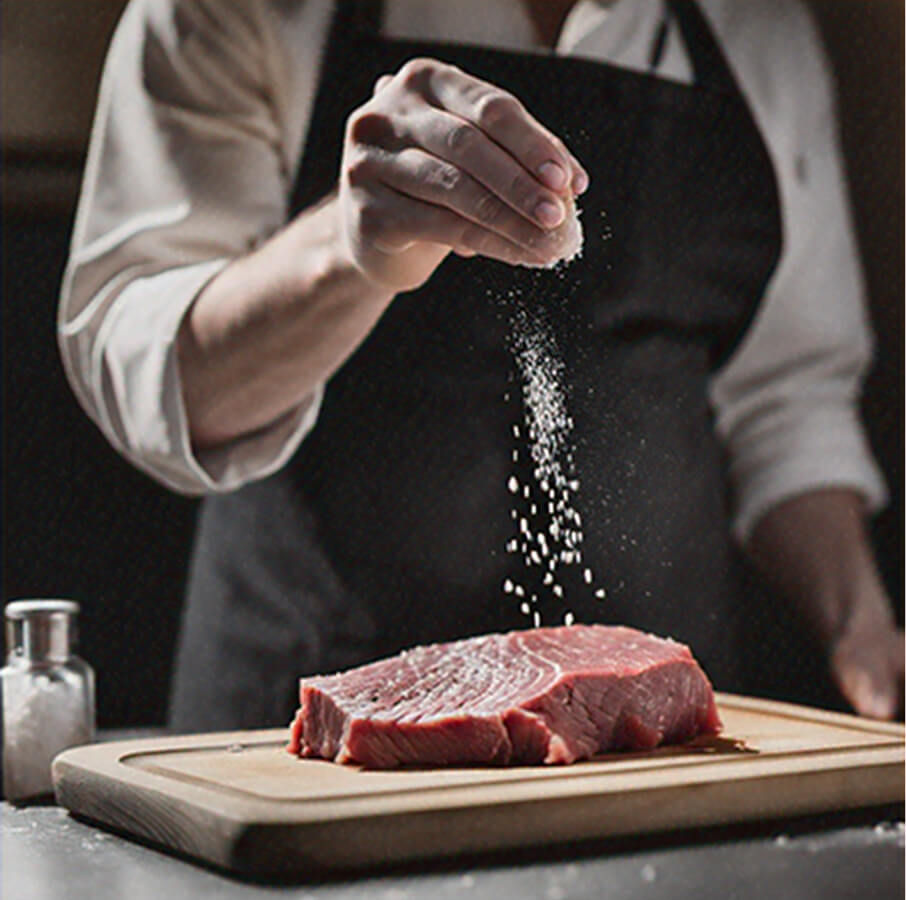
Season the good fresh beef fillets with salt and black pepper. Heat olive oil in a pan over high heat and sear the fillets for 2 minutes per side until it fully browned. Remove the beef from the pan and brush with a thin layer of mustard. Let it cool.
1
Season the good fresh beef fillets with salt and black pepper. Heat olive oil in a pan over high heat and sear the fillets for 2 minutes per side until it fully browned. Remove the beef from the pan and brush with a thin layer of mustard. Let it cool.
1
Season the good fresh beef fillets with salt and black pepper. Heat olive oil in a pan over high heat and sear the fillets for 2 minutes per side until it fully browned. Remove the beef from the pan and brush with a thin layer of mustard. Let it cool.
1
Season the good fresh beef fillets with salt and black pepper. Heat olive oil in a pan over high heat and sear the fillets for 2 minutes per side until it fully browned. Remove the beef from the pan and brush with a thin layer of mustard. Let it cool.
Instructions
Quality Fresh 2 beef fillets ( approximately 14 ounces each )
Quality Fresh 2 beef fillets ( approximately 14 ounces each )
Quality Fresh 2 beef fillets ( approximately 14 ounces each )
Beef Wellington
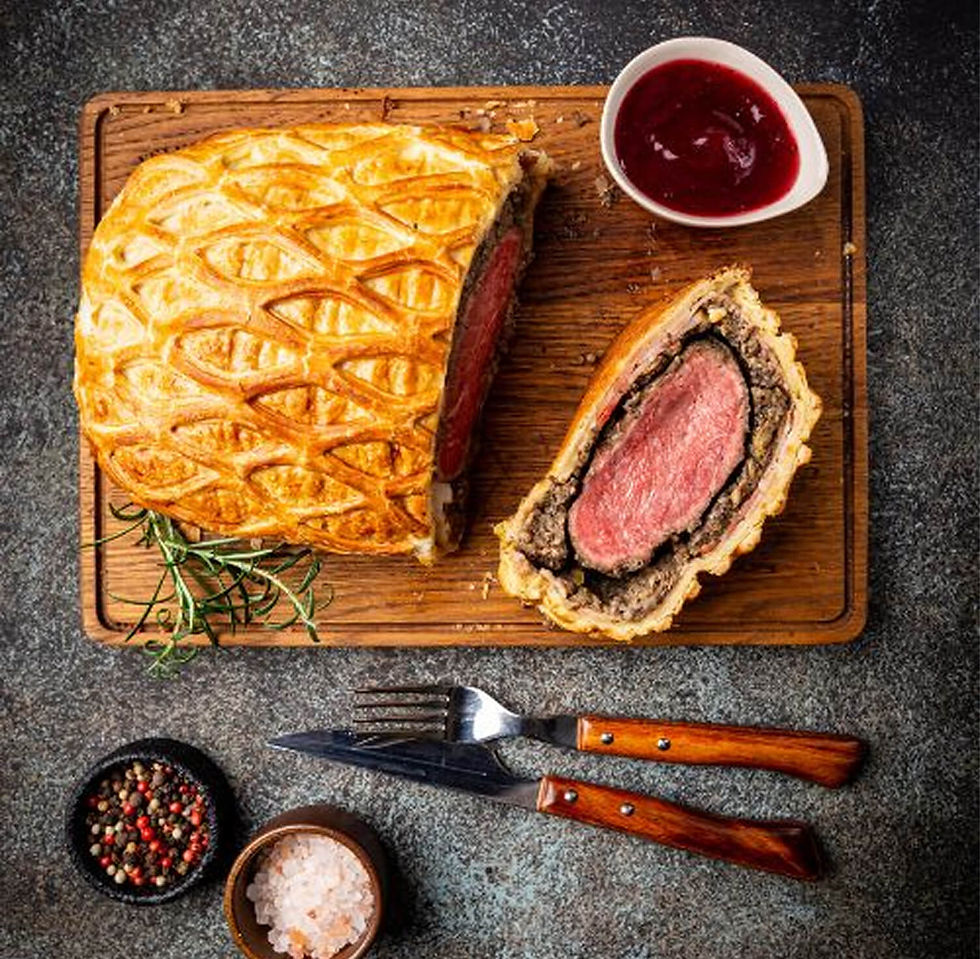
Beef Wellington
Fusion Wizard - Rooftop Eatery in Tokyo
Author Name
%20(1).jpg)
Beef Wellington is a luxurious dish featuring tender beef fillet coated with a flavorful mushroom duxelles and wrapped in a golden, flaky puff pastry. Perfect for special occasions, this recipe combines rich flavors and impressive presentation, making it the ultimate centerpiece for any celebration.
Servings :
4 Servings
Calories:
813 calories / Serve
Prep Time
30 mins
Prep Time
30 mins
Prep Time
30 mins
Prep Time
30 mins


Comments