


Congenital Sucrase-Isomaltase Deficiency (CSID) Menopause
Updated: Mar 18, 2025
What is it? Congenital Sucrase-Isomaltase Deficiency (CSID) is a genetic condition that
makes it hard for the body to digest certain sugars, especially sucrose (table
sugar) and maltose (found in grains). This happens because of low or absent
levels of sucrase and isomaltase, enzymes in the small intestine that break
down these sugars into simpler forms the body can use
What Happens? When someone with CSID eats foods containing sucrose or maltose, these
sugars aren't properly digested. Instead, they move into the large intestine,
where bacteria ferment them, leading to:

Diarrhea: Watery stools due to undigested sugars drawing water into the
intestines. Bloating and Gas: Fermentation produces gas, causing discomfort and
swelling. Stomach Pain: Cramping from gas and increased activity in the intestines.
In infants, these symptoms can lead to poor weight gain and growth issues.
How to Manage Diet Changes: Limiting or avoiding foods high in sucrose and certain starches
can help. This includes many sweets, fruits, and starchy foods like bread and
potatoes. Working with a dietitian can assist in creating a balanced diet plan.
Enzyme Replacement Therapy: Taking enzyme supplements like sacrosidase
(brand name Sucraid) can aid in breaking down sucrose, easing digestion, and
reducing symptoms.
Monitoring and Adjusting: Regular check-ups with healthcare providers are
important to monitor growth and nutrition, especially in children.
Foods to Avoid

Sugary Foods:
Table sugar
Candy and chocolate
Sweetened beverages
Cakes, cookies, and pastries
Ice cream and sweetened yogurt
Jams, syrups, and honey
Fruits High in Sucrose:
Bananas
Pineapple
Mango
Dates, figs, and raisins

Starchy Foods:
White and wheat bread
Pasta
Rice
Potatoes
Corn and corn products
Meal Planning Tips

Cook from scratch: Homemade meals help you control ingredients and
avoid hidden sucrose or starches.
Read labels: Look for added sugars, sucrose, and starch on packaged
foods.
Portion control: Even low-sucrose foods can cause issues in large amounts.
1
Searing the Beef
Sear beef fillets on high heat for 2 minutes per side to form a golden crust. Let it cool before proceeding to keep the beef tender.
1
Searing the Beef
Sear beef fillets on high heat for 2 minutes per side to form a golden crust. Let it cool before proceeding to keep the beef tender.
1
Searing the Beef
Sear beef fillets on high heat for 2 minutes per side to form a golden crust. Let it cool before proceeding to keep the beef tender.
1
Searing the Beef
Sear beef fillets on high heat for 2 minutes per side to form a golden crust. Let it cool before proceeding to keep the beef tender.
Notes


1
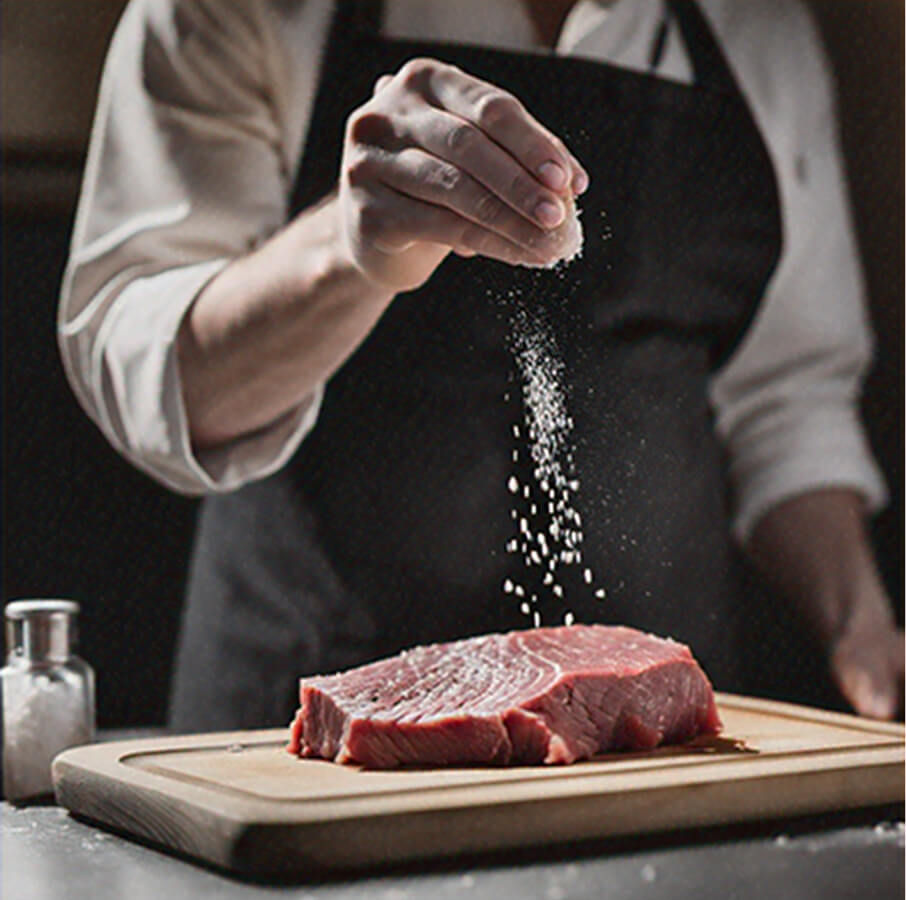
Season the good fresh beef fillets with salt and black pepper. Heat olive oil in a pan over high heat and sear the fillets for 2 minutes per side until it fully browned. Remove the beef from the pan and brush with a thin layer of mustard. Let it cool.
1
Season the good fresh beef fillets with salt and black pepper. Heat olive oil in a pan over high heat and sear the fillets for 2 minutes per side until it fully browned. Remove the beef from the pan and brush with a thin layer of mustard. Let it cool.
1
Season the good fresh beef fillets with salt and black pepper. Heat olive oil in a pan over high heat and sear the fillets for 2 minutes per side until it fully browned. Remove the beef from the pan and brush with a thin layer of mustard. Let it cool.
1
Season the good fresh beef fillets with salt and black pepper. Heat olive oil in a pan over high heat and sear the fillets for 2 minutes per side until it fully browned. Remove the beef from the pan and brush with a thin layer of mustard. Let it cool.
Instructions
Quality Fresh 2 beef fillets ( approximately 14 ounces each )
Quality Fresh 2 beef fillets ( approximately 14 ounces each )
Quality Fresh 2 beef fillets ( approximately 14 ounces each )
Beef Wellington
Beef Wellington
Fusion Wizard - Rooftop Eatery in Tokyo
Author Name
%20(1).jpg)
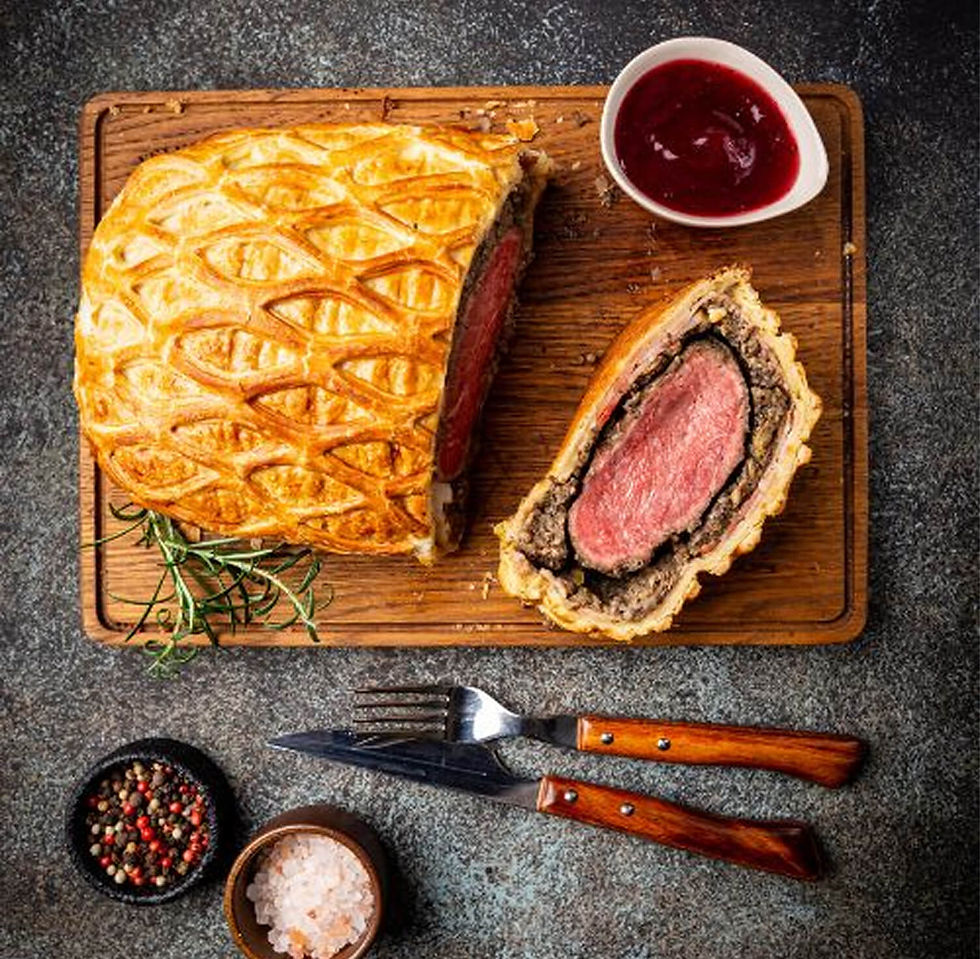
Beef Wellington is a luxurious dish featuring tender beef fillet coated with a flavorful mushroom duxelles and wrapped in a golden, flaky puff pastry. Perfect for special occasions, this recipe combines rich flavors and impressive presentation, making it the ultimate centerpiece for any celebration.
Servings :
4 Servings
Calories:
813 calories / Serve
Prep Time
30 mins
Prep Time
30 mins
Prep Time
30 mins
Prep Time
30 mins


Comments