CoEnzyme Q10 [CoQ10]
- Dr. Kerri Felmlee

- Jan 30
- 3 min read

Coenzyme Q10, also known as CoQ10, is a nutrient that our bodies make on their own. It's found in nearly all of our cells and works like a tiny but strong helper, making them work better. Think of it like a battery that powers a toy, CoQ10 gives your cells the energy they need to do their job well.
Health Benefits
Energy Production: Coenzyme Q10 (CoQ10) plays a crucial role in how our cells make energy. This process is called metabolism. CoQ10 helps transform the food we eat into a type of energy our cells can use. This energy is called ATP (adenosine triphosphate). Without ATP, our cells couldn't do their jobs, and we wouldn't be able to move, think, or even breathe!
But when we have enough CoQ10, our cells can make plenty of energy. This means we have the power to do everything we need to do in our day, from performing at work to working out to doing chores at home. CoQ10 helps us feel strong and energetic, not tired or sluggish.
Cardiovascular Health: The heart is one of the most important organs in our body. CoQ10 helps keep our hearts healthy and strong. It does this by helping our heart cells produce enough energy to keep beating. Without enough energy, our heart wouldn't be able to pump blood around our body.
Cellular Protection: Our cells face many threats every day, from harmful substances in the environment to waste products made by our own bodies. This can damage our cells and make us sick.
But, CoQ10 protects our cells from these dangers. One of the ways CoQ10 protects our cells is by acting as an antioxidant. Antioxidants are substances that can prevent or slow damage to cells caused by free radicals, unstable molecules that the body produces as a reaction to environmental and other
pressures. So, CoQ10 helps keep our cells healthy and working properly, which is vital for our overall health.
Food Sources*
While our bodies inherently produce CoQ10, it can also be obtained through various dietary sources. It's important to note that CoQ10 is fat-soluble, meaning it's better absorbed when eaten with fats. Thus, you might increase your CoQ10 absorption by eating these foods as part of a balanced meal that includes healthy fats.
Here are some foods that are rich in CoQ10:

Beef: A 3-ounce serving of cooked beef is a commendable source of CoQ10, providing approximately 2.6 mg of this nutrient.
Herring: Rich in CoQ10, a 3-ounce serving of this fish yields about 2.3 mg. Besides herring, other fatty fish like salmon, tuna, and mackerel are also rich in CoQ10. A 3-ounce serving of these fish can contain about 1.5 to 3 mg of CoQ10.
Chicken: A 3-ounce serving of chicken contributes approximately 1.4 mg of CoQ10.
Soybeans: For those preferring plant-based options, half a cup of cooked soybeans provides about 0.9 mg of CoQ10.
Peanuts: As a nutritious snack, a 1-ounce serving of peanuts offers about 0.8 mg of CoQ10.
Sesame Seeds and Pistachios: These are among the richest plant-based sources of CoQ10. An ounce of sesame seeds provides about 0.7 mg, and a similar amount of pistachios contains around 0.6 mg of CoQ10.
Recommended Dietary Allowance**
Establishing an official daily recommended quantity for CoQ10 proves challenging due to its synthesis in the body. Nonetheless, some experts propose an adult daily intake of 30 to 200 mg in supplement form, especially for those with specific health conditions.
It is vital to consult a healthcare professional or dietitian prior to initiating any new supplement. They can provide personalized guidance based on your specific health needs and clarify the necessity and appropriate dosage of the supplement.
1
Searing the Beef
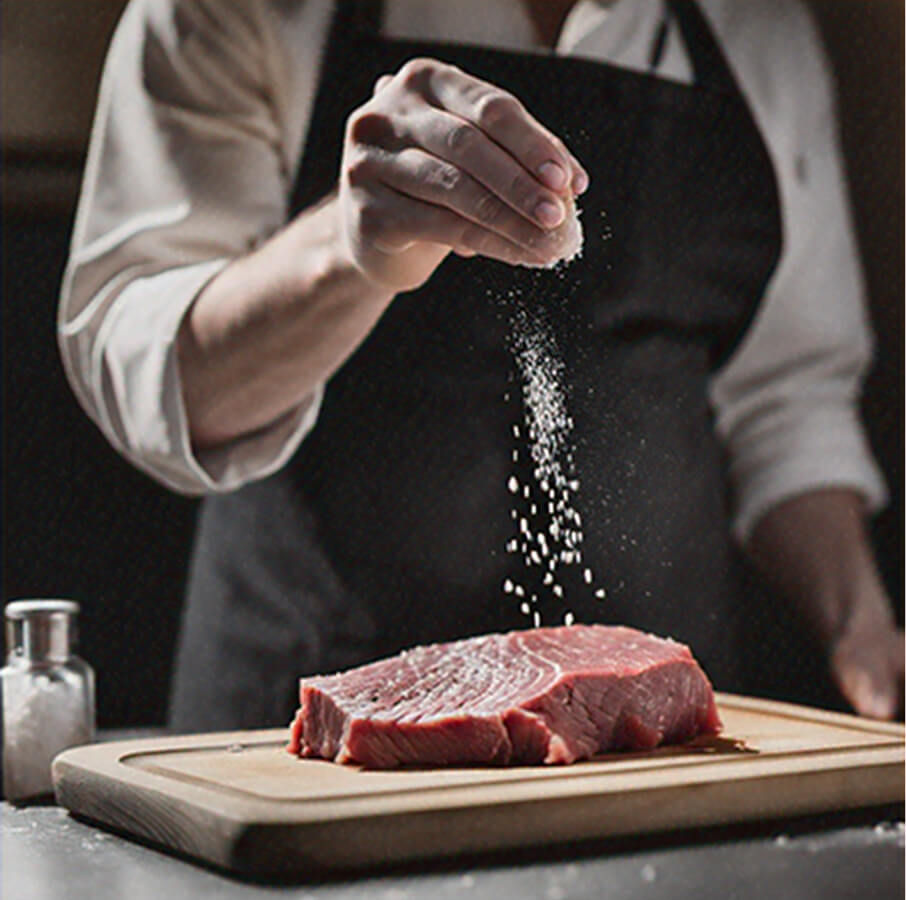
Sear beef fillets on high heat for 2 minutes per side to form a golden crust. Let it cool before proceeding to keep the beef tender.
1
Searing the Beef
Sear beef fillets on high heat for 2 minutes per side to form a golden crust. Let it cool before proceeding to keep the beef tender.
1
Searing the Beef
Sear beef fillets on high heat for 2 minutes per side to form a golden crust. Let it cool before proceeding to keep the beef tender.
1
Searing the Beef
Sear beef fillets on high heat for 2 minutes per side to form a golden crust. Let it cool before proceeding to keep the beef tender.
Notes


1
Season the good fresh beef fillets with salt and black pepper. Heat olive oil in a pan over high heat and sear the fillets for 2 minutes per side until it fully browned. Remove the beef from the pan and brush with a thin layer of mustard. Let it cool.


1
Season the good fresh beef fillets with salt and black pepper. Heat olive oil in a pan over high heat and sear the fillets for 2 minutes per side until it fully browned. Remove the beef from the pan and brush with a thin layer of mustard. Let it cool.


1
Season the good fresh beef fillets with salt and black pepper. Heat olive oil in a pan over high heat and sear the fillets for 2 minutes per side until it fully browned. Remove the beef from the pan and brush with a thin layer of mustard. Let it cool.


1
Season the good fresh beef fillets with salt and black pepper. Heat olive oil in a pan over high heat and sear the fillets for 2 minutes per side until it fully browned. Remove the beef from the pan and brush with a thin layer of mustard. Let it cool.
Instructions
Quality Fresh 2 beef fillets ( approximately 14 ounces each )
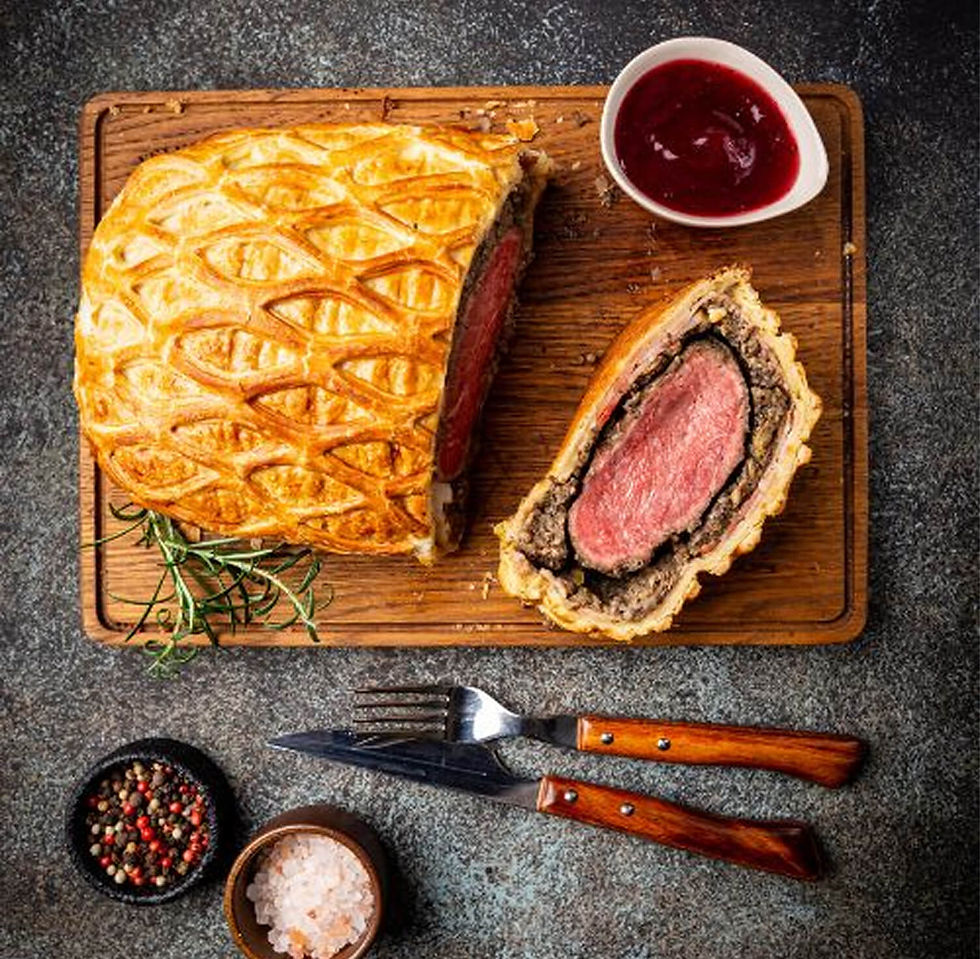
Beef Wellington
Beef Wellington
Fusion Wizard - Rooftop Eatery in Tokyo
Author Name

Beef Wellington is a luxurious dish featuring tender beef fillet coated with a flavorful mushroom duxelles and wrapped in a golden, flaky puff pastry. Perfect for special occasions, this recipe combines rich flavors and impressive presentation, making it the ultimate centerpiece for any celebration.
Servings :
4 Servings
Calories:
813 calories / Serve
Prep Time
30 mins
Prep Time
30 mins
Prep Time
30 mins
Prep Time
30 mins




Comments