


Vitamin C

Vitamin C, also known as ascorbic acid, is a water-soluble vitamin that plays a crucial role in maintaining good health. It is an essential nutrient that the body cannot produce on its own and must be obtained through the diet or supplements.
Health Benefits
Supports immune system: Vitamin C is essential for a healthy immune system. It helps stimulate the production of white blood cells that fight off infections and diseases. Vitamin C has been shown to stimulate the production and function of various types of white blood cells, including lymphocytes and phagocytes.
Reduces Risk of Chronic Diseases: Vitamin C is a powerful antioxidant that helps protect the body against chronic diseases such as heart disease, cancer, and arthritis. It is a free radical scavenger and neutralizes the harmful effects of oxidants, such as environmental toxins.
Supports Skin Health: Vitamin C plays a crucial role in the production of collagen, which helps keep the skin healthy and youthful. Collagen is the most abundant protein in the human body, and it forms the structural foundation for many tissues, including the skin, bones, tendons, and ligaments.
Reduces the Risk of Iron Deficiency: Vitamin C plays a critical role in iron absorption and utilization in the body. Iron is an essential mineral that is necessary for the production of red blood cells, which carry oxygen throughout the body. Iron deficiency is a common nutritional deficiency and can lead to anemia, fatigue, and other health problems.
While iron is present in many foods, it can be more challenging to absorb from plant-based
sources compared to animal-based sources. Plant-based sources of iron, such as beans, lentils, spinach, and fortified cereals, contain non-heme iron, which is not as easily absorbed as the heme iron found in animal based sources. Vitamin C can enhance the absorption of non-heme iron by converting it to a more easily absorbed form in the gut.

Food Sources*
Citrus Fruits:
Oranges, lemons, grapefruits, and limes are excellent sources of Vitamin C.
One medium-sized orange contains about 70mg of Vitamin C, which is 78% of the Daily Value
Berries:
Strawberries, raspberries, blueberries, and blackberries are all rich in Vitamin C.
One cup of strawberries contains about 90mg of Vitamin C, which is 100% of the Daily Value
Kiwi: One medium-sized kiwi contains about 70mg of Vitamin C, which is 78% of the Daily Value
Pineapple: One cup of pineapple contains about 80mg of Vitamin C, which is 89% of the Daily Value
Mango: One cup of sliced mango contains about 60mg of Vitamin C, which is 67% of the Daily Value
Papaya: One cup of sliced papaya contains about 90mg of Vitamin C, which is 100% of the Daily Value
Bell Peppers: Red, yellow, and green bell peppers are all excellent sources of Vitamin C. One medium-sized red bell pepper contains about 150mg of Vitamin C, which is 167% of the Daily Value
Note: The DV values are based on a 2000-calorie diet for healthy adults. DV values may be different for children, pregnant women, or individuals with certain medical conditions.
Recommended Dietary Allowance*
Recommended dietary allowances are 75-90 mg/day for adults 19+ years, 65-75 mg/day for adolescents, and 120 mg/day for breastfeeding women.
*Retrieved from www. ods.od.nih.gov/factsheets/VitaminC-HealthProfessional/
For more information, link to Online Program:
Cooking, Healthy Eating, & Food Strategies
1
Searing the Beef
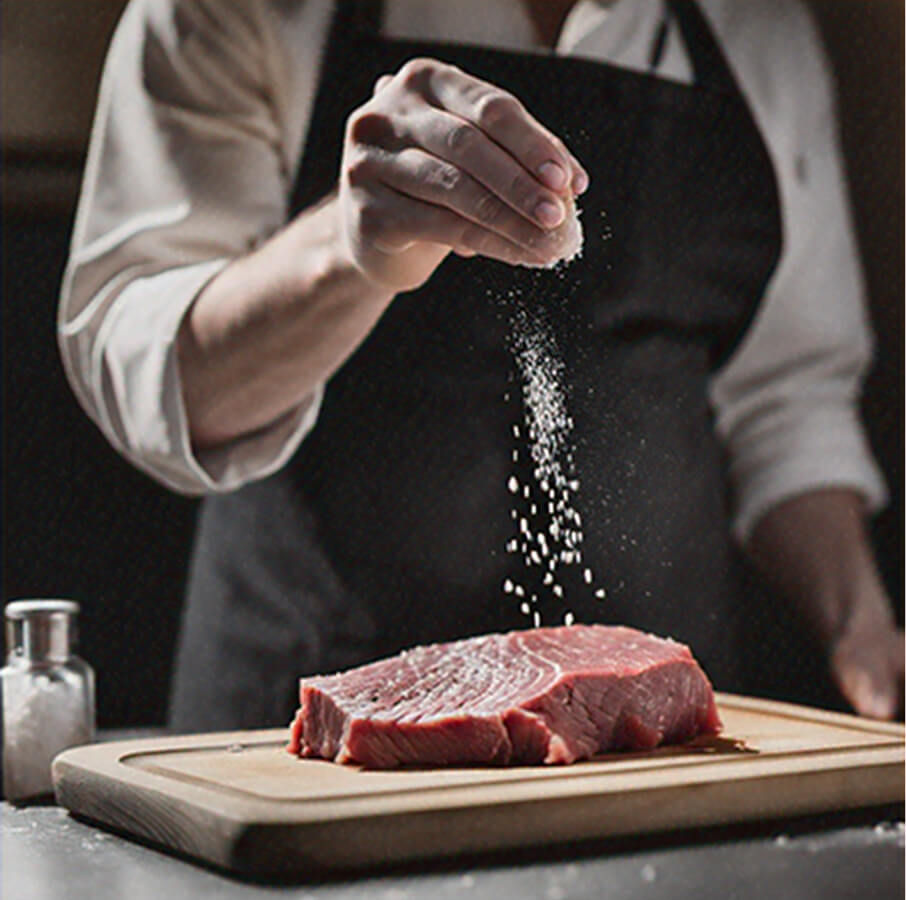
Sear beef fillets on high heat for 2 minutes per side to form a golden crust. Let it cool before proceeding to keep the beef tender.
1
Searing the Beef
Sear beef fillets on high heat for 2 minutes per side to form a golden crust. Let it cool before proceeding to keep the beef tender.
1
Searing the Beef
Sear beef fillets on high heat for 2 minutes per side to form a golden crust. Let it cool before proceeding to keep the beef tender.
1
Searing the Beef
Sear beef fillets on high heat for 2 minutes per side to form a golden crust. Let it cool before proceeding to keep the beef tender.
Notes


1
Season the good fresh beef fillets with salt and black pepper. Heat olive oil in a pan over high heat and sear the fillets for 2 minutes per side until it fully browned. Remove the beef from the pan and brush with a thin layer of mustard. Let it cool.
1
Season the good fresh beef fillets with salt and black pepper. Heat olive oil in a pan over high heat and sear the fillets for 2 minutes per side until it fully browned. Remove the beef from the pan and brush with a thin layer of mustard. Let it cool.
1
Season the good fresh beef fillets with salt and black pepper. Heat olive oil in a pan over high heat and sear the fillets for 2 minutes per side until it fully browned. Remove the beef from the pan and brush with a thin layer of mustard. Let it cool.
1
Season the good fresh beef fillets with salt and black pepper. Heat olive oil in a pan over high heat and sear the fillets for 2 minutes per side until it fully browned. Remove the beef from the pan and brush with a thin layer of mustard. Let it cool.
Instructions
Quality Fresh 2 beef fillets ( approximately 14 ounces each )
Quality Fresh 2 beef fillets ( approximately 14 ounces each )
Quality Fresh 2 beef fillets ( approximately 14 ounces each )
Beef Wellington

Beef Wellington
Fusion Wizard - Rooftop Eatery in Tokyo
Author Name
%20(1).jpg)
Beef Wellington is a luxurious dish featuring tender beef fillet coated with a flavorful mushroom duxelles and wrapped in a golden, flaky puff pastry. Perfect for special occasions, this recipe combines rich flavors and impressive presentation, making it the ultimate centerpiece for any celebration.
Servings :
4 Servings
Calories:
813 calories / Serve
Prep Time
30 mins
Prep Time
30 mins
Prep Time
30 mins
Prep Time
30 mins
Comments