


Vitamin K

Vitamin K is a fat-soluble vitamin that plays a crucial role in blood clotting and bone health. It is found in two forms: Vitamin K1 (phylloquinone), which is found in plant-based foods, and Vitamin K2 (menaquinone), which is found in animal-based foods and fermented foods.
Health Benefits
Blood Clotting: Vitamin K is an essential nutrient that plays a crucial role in blood coagulation or clotting. Without sufficient levels of vitamin K, blood may not clot properly, which can lead to excessive bleeding and potentially life-threatening conditions.
Bone Health: Vitamin K is essential for bone health as it helps in the production of osteocalcin, a protein that is important for bone formation. Without enough Vitamin K, bones may become weak and more prone to fractures. Research has shown that individuals who have higher intakes of Vitamin K have a reduced risk of bone fractures, especially in older adults. Vitamin K works together with other nutrients like calcium, vitamin D, and magnesium to keep bones strong and healthy.
Supports Heart Health: Vitamin K is an essential nutrient that plays a vital role in heart health. Research suggests that Vitamin K may help reduce the risk of cardiovascular disease by preventing the build-up of calcium in the arteries.
Calcium build-up in the arteries can lead to the development of atherosclerosis, a condition in which the arteries become narrow and stiff, increasing the risk of heart attack and stroke. Vitamin K helps keep the arteries flexible and healthy, allowing blood to flow freely through the body.
Additionally, Vitamin K has been found to have anti-inflammatory properties that can help reduce inflammation in the body, which is a risk factor for heart disease. Some studies have also shown that individuals with higher intakes of Vitamin K have a lower risk of heart disease and a lower risk of mortality from heart disease.
It is important to note that certain medications
can interfere with vitamin K absorption and
utilization, including blood thinners such as
warfarin. Individuals taking these medications
should speak with their healthcare provider about
their vitamin K intake and any necessary
adjustments to their medication regimen.
Food Sources*

Leafy greens:
One cup of cooked spinach contains approximately 889 micrograms of Vitamin K1, which is 1111% of the Daily Value
Cruciferous vegetables:
One cup of cooked broccoli contains approximately 220 micrograms of Vitamin K1, which is 276% of the DV.
Natto:
Natto is a traditional Japanese dish made from fermented soybeans. Natto is one of the highest food sources of Vitamin K2 One ounce of natto contains approximately 85 micrograms of Vitamin K2, which is 106% of the DV.
Cheese: One ounce of hard cheese (such as cheddar) contains approximately 25 micrograms of Vitamin K2, which is 31% of the DV.
Meat and poultry:
One serving of chicken (3.5 ounces) contains approximately 3.3 micrograms of Vitamin K2, which is 4% of the DV
Note: The DV values are based on a 2000-calorie diet for healthy adults. DV values may be different for children, pregnant women, or individuals with certain medical conditions.
Recommended Dietary Allowance*
Recommended dietary allowances are 120 micrograms/day for males 19+ years, 90 micrograms/day for females
*Retrieved from www. ods.od.nih.gov/factsheets/VitaminK-HealthProfessional/
For more information, link to Online Program:
Cooking, Healthy Eating, & Food Strategies
1
Searing the Beef
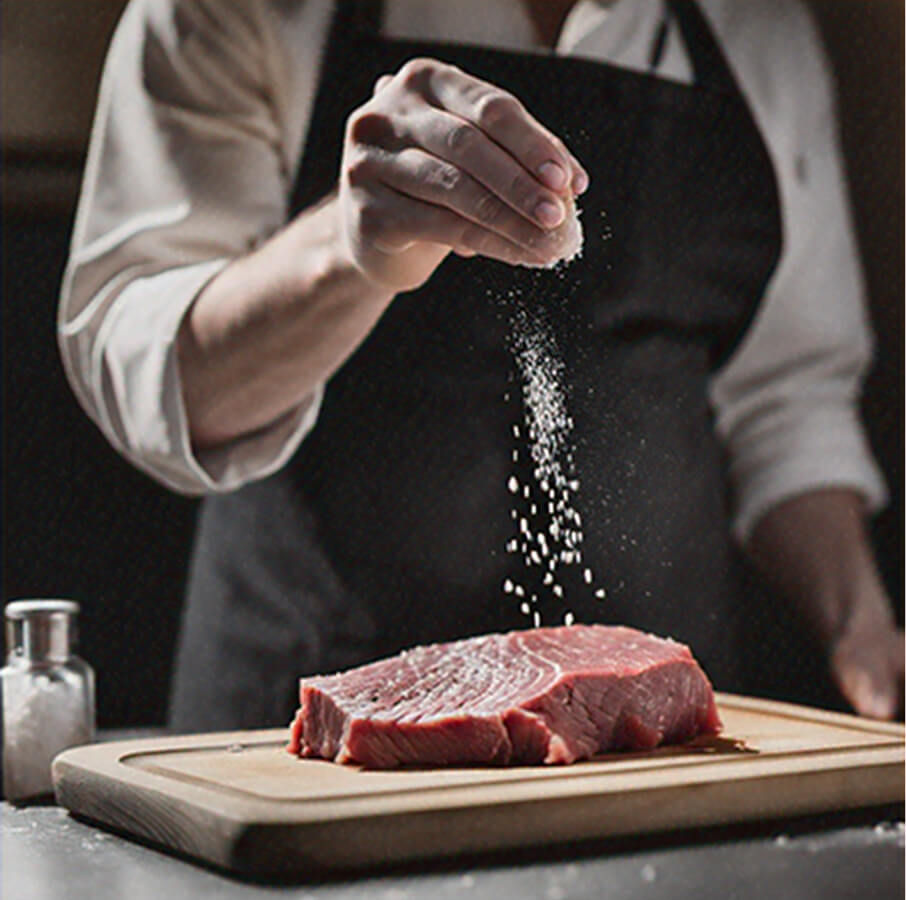
Sear beef fillets on high heat for 2 minutes per side to form a golden crust. Let it cool before proceeding to keep the beef tender.
1
Searing the Beef
Sear beef fillets on high heat for 2 minutes per side to form a golden crust. Let it cool before proceeding to keep the beef tender.
1
Searing the Beef
Sear beef fillets on high heat for 2 minutes per side to form a golden crust. Let it cool before proceeding to keep the beef tender.
1
Searing the Beef
Sear beef fillets on high heat for 2 minutes per side to form a golden crust. Let it cool before proceeding to keep the beef tender.
Notes


1
Season the good fresh beef fillets with salt and black pepper. Heat olive oil in a pan over high heat and sear the fillets for 2 minutes per side until it fully browned. Remove the beef from the pan and brush with a thin layer of mustard. Let it cool.
1
Season the good fresh beef fillets with salt and black pepper. Heat olive oil in a pan over high heat and sear the fillets for 2 minutes per side until it fully browned. Remove the beef from the pan and brush with a thin layer of mustard. Let it cool.
1
Season the good fresh beef fillets with salt and black pepper. Heat olive oil in a pan over high heat and sear the fillets for 2 minutes per side until it fully browned. Remove the beef from the pan and brush with a thin layer of mustard. Let it cool.
1
Season the good fresh beef fillets with salt and black pepper. Heat olive oil in a pan over high heat and sear the fillets for 2 minutes per side until it fully browned. Remove the beef from the pan and brush with a thin layer of mustard. Let it cool.
Instructions
Quality Fresh 2 beef fillets ( approximately 14 ounces each )
Quality Fresh 2 beef fillets ( approximately 14 ounces each )
Quality Fresh 2 beef fillets ( approximately 14 ounces each )
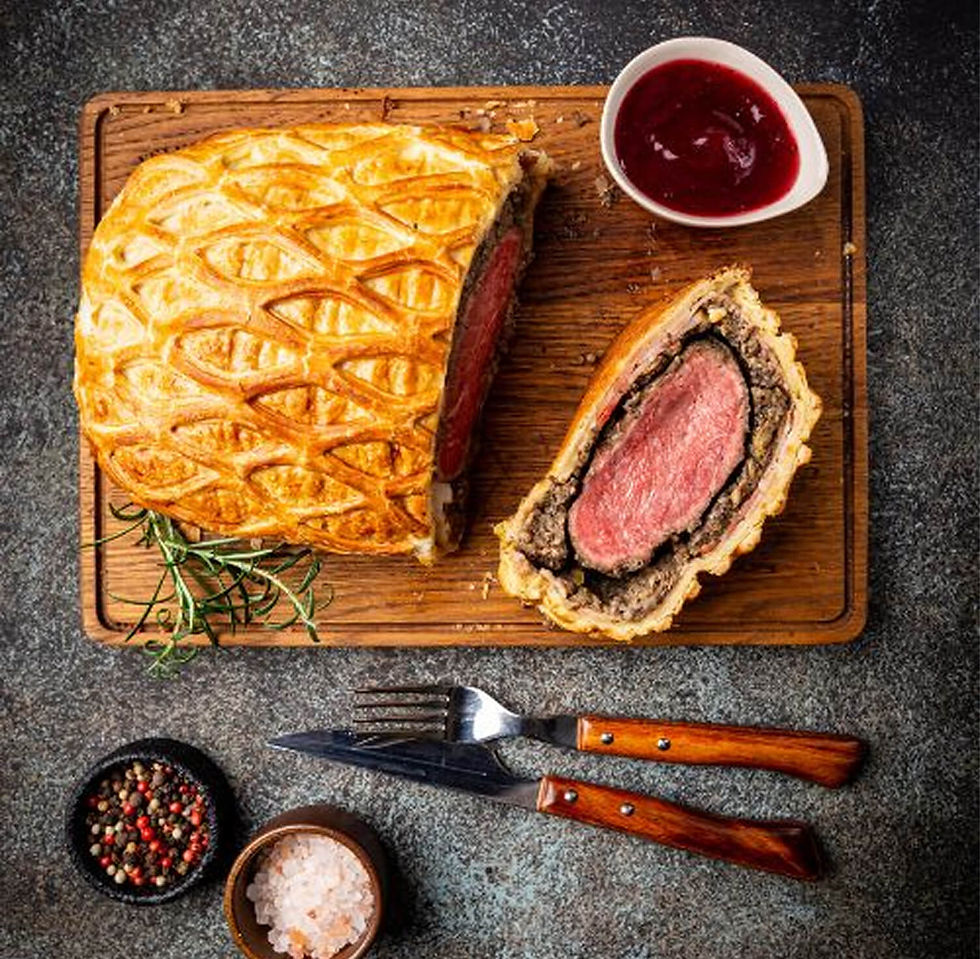
Beef Wellington
Beef Wellington
Fusion Wizard - Rooftop Eatery in Tokyo
Author Name
%20(1).jpg)
Beef Wellington is a luxurious dish featuring tender beef fillet coated with a flavorful mushroom duxelles and wrapped in a golden, flaky puff pastry. Perfect for special occasions, this recipe combines rich flavors and impressive presentation, making it the ultimate centerpiece for any celebration.
Servings :
4 Servings
Calories:
813 calories / Serve
Prep Time
30 mins
Prep Time
30 mins
Prep Time
30 mins
Prep Time
30 mins
Comments